Video componentsReveal a title
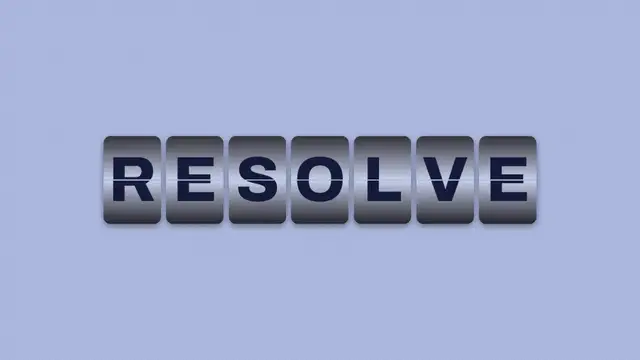
Word swap slot

When to use
Use when a held sentence has one open word that changes value: “We make films that feel fast, loud, clean, alive”. The word sits in a slot, rolls up through 3 or 4 values and lands on the last one, and the sentence reflows its width as the slot grows and shrinks. Reference: HyperFrames kinetic-type-swap.
The code
.slot { position: relative; display: inline-block; vertical-align: baseline;
        clip-path: inset(-0.35em -0.1em -0.35em -0.1em); }   /* window = one 1.7em row */
.col { position: absolute; left: 0; top: -0.35em; }
.col b { display: block; height: 1.7em; line-height: 1.7em; font-weight: inherit; }
Easing
Each ease is a pair of After Effects handles from core/motion/presets.js. Every curve as CSS.
| Ease | Leaving a key | Arriving at a key |
|---|---|---|
pop | 12% influence, speed 4.8 | 35% influence, speed -1.5 |
swap | 75% influence, speed 0 | 75% influence, speed 0 |
Notes
const w = words.map((b) => { const r = document.createRange(); r.selectNodeContents(b); return r.getBoundingClientRect().width / px; });
const seg = [380, 380, 650], total = 1410, at = [0, 0.27, 0.54, 1];   // cumulative share of total
const easing = [EASE.swap, EASE.swap, EASE.pop];
const opts = { delay: 200, duration: total, fill: 'both', easing: 'linear' };
col.animate(at.map((o, i) => ({ offset: o, translate: `0 ${-i * 1.7}em`, easing: easing[i] })), opts);
slot.animate(at.map((o, i) => ({ offset: o, width: `${w[i]}em`, easing: easing[i] })), opts);
Each word is measured with a Range after await document.fonts.load(...), so the width in em is exact. <span> in the slot holds a zero-width space so the slot has a baseline.
The numbers that make it look expensive
- Each word dwells about 0.25 s and then rolls: the roll easing
EASE.swapis slow at the start and fast at the end, so the eye reads every value. - The last segment uses
EASE.pop: the final word drops in, dips 8 percent past its row and settles. The last word takes the accent colour. - The width animates on the same keyframes and the same easing as the roll, so the words after the slot (or the centred sentence) move with the word, never before or after it.
- A small blur (0.05em) peaks at the middle of each roll and is gone at rest.
The common mistake
Using overflow: hidden on the slot. It moves the baseline to the bottom edge of the box and cuts descenders. Use clip-path: inset() with a window as tall as one row (1.7em) and rows spaced by the same 1.7em, so the neighbour is never visible at rest and no glyph is cut. And never swap the text in place with a cross-fade: the roll is the whole move.
Looks (ground, type, radius, accent) live in demo/demo.css; this snippet keeps neutral tokens.
Sound
Sound: pluck at 1.15 s into the move, when the last word lands (default gain); no tick per value.